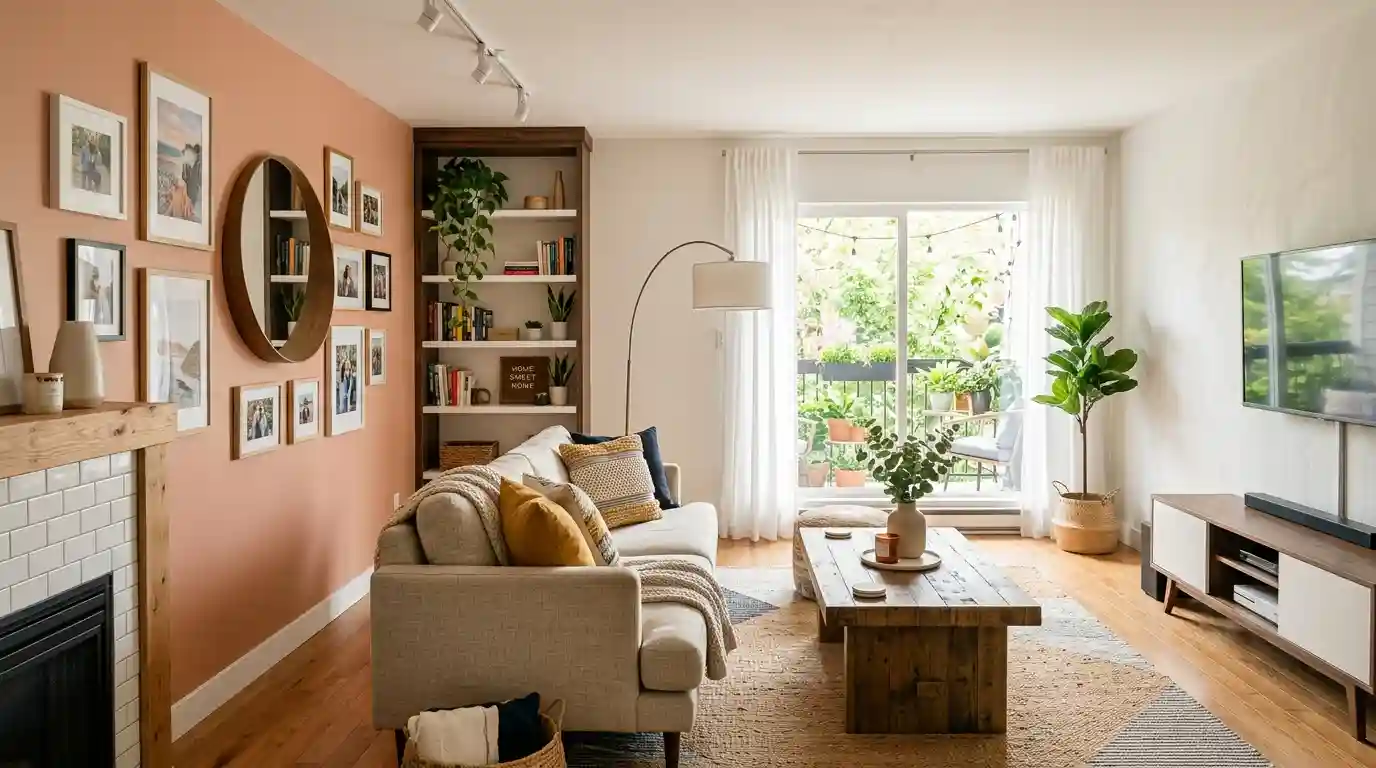
The best home improvement ideas include painting walls, updating light fixtures, refreshing kitchen cabinets, improving storage, upgrading bathroom hardware, and adding outdoor plants. You can make your home more comfortable and attractive without a major renovation. Start with affordable projects that solve everyday problems, improve energy efficiency, or make your living space easier to maintain.
Key Takeaways
- Fresh paint can transform a room without a large renovation budget.
- Small kitchen and bathroom updates can improve everyday comfort.
- Better lighting and storage make rooms more useful.
- Weatherproofing and efficient lighting can help reduce energy waste.
- Outdoor improvements can boost curb appeal and create more usable space.
home improvement ideas
Introduction
Your home should feel comfortable, practical, and welcoming. However, outdated colors, limited storage, poor lighting, and worn fixtures can make even a good home feel less appealing. The good news is that you do not always need an expensive renovation to make a noticeable difference.
These home improvement ideas cover simple DIY projects, affordable upgrades, and practical changes for homeowners across the United States. Whether you live in a small apartment, a suburban house, or an older property, you can find projects that fit your space and budget.
You will learn how to refresh rooms, improve storage, update kitchens and bathrooms, save energy, and make outdoor areas more inviting. You will also find tips for choosing the right project, avoiding common mistakes, and deciding when professional help is worth the cost.
What Does “Home Improvement Ideas” Mean?
Home improvement ideas are suggestions for making a house or living space more attractive, comfortable, functional, or energy-efficient. They can include small decorative changes, basic repairs, DIY projects, and larger renovations.
People commonly look for these ideas when they move into a new home, prepare to sell a property, update an outdated room, or want to solve everyday problems. Some projects focus on appearance, while others improve safety, maintenance, or long-term operating costs.
For example, painting a bedroom changes its appearance, while sealing drafty windows can improve comfort and reduce energy waste. The best project depends on your home’s condition, your budget, and what you want to achieve.
Why Choose the Right Home Improvement Ideas?
Choosing suitable projects helps you spend money where it matters most. Instead of copying every popular renovation trend, focus on changes that improve your daily life.
- Avoid unnecessary spending: Start with projects that address real problems.
- Make rooms more useful: Improve lighting, storage, and furniture placement.
- Refresh your home’s appearance: Update colors, finishes, and decorations.
- Improve comfort: Address drafts, poor ventilation, and outdated fixtures.
- Support future resale: Maintain the property and choose upgrades that appeal to likely buyers.
10 Best Home Improvement Ideas
These ten projects range from simple weekend updates to more involved improvements. Costs depend on your location, materials, room size, and whether you do the work yourself.
1. Refresh Walls With a New Paint Color

What it involves: Painting walls, refreshing trim, or creating an accent wall can change a room without replacing its furniture. Neutral colors can create a calm backdrop, while a deeper shade can add character to one wall.
Best for: Living rooms, bedrooms, hallways, and home offices.
Example 1: Paint a dark hallway a lighter color to make it feel more open.
Example 2: Give an older bedroom a fresh look with warm white walls and a contrasting headboard.
Quick tip: Clean and prepare the surface before painting. Repair holes, use suitable primer when needed, and protect floors and furniture.
2. Update Kitchen Cabinets and Hardware

What it involves: New cabinet handles, hinges, or a suitable paint finish can refresh a kitchen without replacing every cabinet. You can also clear clutter from countertops and organize frequently used items.
Best for: Older kitchens with sturdy cabinets that still function well.
Example 1: Replace worn handles with simple black pulls for a cleaner appearance.
Example 2: Arrange cooking tools near the stove and move rarely used appliances into storage.
Quick tip: Check cabinet condition before painting. Fix water damage or loose hinges first, and use a finish designed for cabinets.
3. Improve Lighting Throughout Your Home

What it involves: Better lighting can make rooms easier to use and more inviting. Combine general lighting with task lighting for reading, cooking, or working.
Best for: Dark rooms, kitchens, bathrooms, and workspaces.
Example 1: Add a desk lamp to reduce eye strain when working in the evening.
Example 2: Replace frequently used incandescent bulbs with suitable LED bulbs to reduce electricity use.
Home Energy Efficiency+1
Quick tip: Choose bulb brightness and color temperature based on the task. Hire a qualified electrician for new wiring or electrical work beyond your skills.
4. Create Smarter Storage Solutions

What it involves: Use shelves, drawer organizers, hooks, and storage baskets to give everyday items a designated place. Better organization can make a small home feel less crowded.
Best for: Apartments, entryways, closets, and family rooms.
Example 1: Install wall hooks near the entrance for coats, bags, and keys.
Example 2: Add labeled bins to a closet to separate seasonal clothing and household supplies.
Quick tip: Measure the available space before buying organizers. Secure heavy shelves to suitable wall framing and check for hidden wiring or pipes before drilling.
5. Give Your Bathroom a Simple Refresh

What it involves: Updating a mirror, replacing worn hardware, improving storage, or refreshing old caulk can make a bathroom look cleaner. These changes may cost less than replacing the entire room.
Best for: Bathrooms with functional plumbing and surfaces that remain in good condition.
Example 1: Replace a dated mirror with a simple framed design.
Example 2: Add a shelf above the toilet to organize spare towels and toiletries.
Quick tip: Fix leaks and persistent moisture before making cosmetic changes. Use bathroom-appropriate materials and address ventilation problems to help prevent mold.
6. Seal Drafts Around Doors and Windows
What it involves: Check for gaps around doors and windows, then use suitable weatherstripping or caulk where appropriate. Sealing air leaks can improve comfort and reduce energy waste.
Consumer Advice+1
Best for: Homes with noticeable drafts or inconsistent indoor temperatures.
Example 1: Replace worn weatherstripping around an exterior door.
Example 2: Seal suitable gaps around a window frame after identifying the source of the draft.
Quick tip: Follow product instructions and avoid blocking drainage openings or required ventilation. For widespread drafts, consider a home energy assessment.
7. Upgrade Your Front Entryway
What it involves: Improve the entrance with a clean doormat, attractive house numbers, a well-maintained door, and suitable outdoor lighting. Small details can make the home look more cared for.
Best for: Homeowners who want better curb appeal without a major exterior renovation.
Example 1: Replace faded house numbers with a clear, weather-resistant design.
Example 2: Place two matching planters beside the front entrance.
Quick tip: Choose materials that suit your local climate. Check exterior lighting and walkways for safety before focusing on decoration.
8. Refresh Your Outdoor Living Space
What it involves: Clean a patio, arrange outdoor furniture, add suitable plants, or create a small seating area. You do not need a large yard to make outdoor space more useful.
Best for: Patios, balconies, porches, and small backyards.
Example 1: Set up two chairs and a small table in a shaded corner.
Example 2: Grow herbs in containers near a sunny kitchen door.
Quick tip: Choose plants based on local weather, sunlight, and watering needs. Keep walkways clear and use outdoor-rated electrical equipment.
9. Improve Energy Efficiency
What it involves: Review your home’s insulation, lighting, heating and cooling settings, and older appliances. Prioritize changes based on your home’s actual needs rather than replacing equipment simply because newer models exist.
Best for: Homeowners who want better comfort and more efficient energy use.
Example 1: Replace an inefficient appliance when its condition and running costs justify the change.
Example 2: Arrange a home energy assessment to identify air leaks and insulation problems.
Quick tip: Compare the purchase price, operating costs, and available local incentives before investing. ENERGY STAR provides guidance on efficient products and home upgrades.
ENERGY STAR+1
10. Repair Small Problems Before They Grow
What it involves: Address loose handles, damaged caulk, sticking doors, minor wall damage, and other maintenance issues. Regular attention can help you spot problems before they require more extensive repairs.
Best for: Older homes, newly purchased properties, and routine home maintenance.
Example 1: Tighten a loose cabinet handle and repair a damaged drawer slide.
Example 2: Investigate a recurring ceiling stain instead of simply painting over it.
Quick tip: Treat water intrusion, structural damage, electrical faults, and suspected hazardous materials as priorities. Bring in a qualified professional when the repair requires specialized knowledge.
Comparison Table: Home Improvement Projects
| Project | Best Used In | Style or Benefit |
|---|---|---|
| Fresh paint | Bedrooms and living rooms | Clean, modern |
| Cabinet updates | Kitchens | Practical, stylish |
| Better lighting | All rooms | Comfortable, functional |
| Storage solutions | Closets and entryways | Organized, space-saving |
| Bathroom refresh | Bathrooms | Fresh, simple |
| Draft sealing | Doors and windows | Energy-efficient |
| Entryway upgrades | Front entrance | Welcoming |
| Outdoor refresh | Patios and balconies | Relaxed, inviting |
| Energy improvements | Whole home | Efficient, comfortable |
| Small repairs | Throughout the house | Safe, well-maintained |
Common Home Improvement Mistakes
1. Starting without a budget: Material costs, tools, delivery, and unexpected repairs can increase the final bill. Set a spending limit and keep a contingency fund.
2. Choosing appearance over function: A beautiful room will not solve poor lighting, inadequate storage, or a leaking faucet. Address practical problems first.
3. Skipping preparation: Painting over dirty walls or installing hardware on damaged surfaces can lead to disappointing results. Prepare each surface before starting.
4. Attempting unsafe DIY work: Electrical upgrades, structural changes, and certain plumbing repairs require professional skills. Check local permit requirements before beginning regulated work.
5. Assuming every upgrade increases resale value: Improvements do not guarantee a higher selling price. Consider local buyer preferences, the home’s condition, and the cost of the project.
Frequently Asked Questions
1. What are the best home improvement ideas on a budget?
Start with painting, updating cabinet hardware, improving storage, replacing frequently used bulbs with LEDs, and refreshing your entryway. These projects can make a noticeable difference without a full renovation. Compare material prices before buying, and prioritize repairs that prevent damage over purely decorative changes.
2. Which home improvements can I do myself?
Many homeowners can handle basic painting, organizing, replacing cabinet handles, assembling shelves, and simple landscaping. The right project depends on your skills, tools, and home’s condition. Follow product instructions, use proper safety equipment, and hire a professional for work involving significant electrical, structural, or plumbing risks.
3. How can I improve my home without remodeling?
Focus on changes that do not require major construction. Rearrange furniture, improve lighting, add storage, repaint walls, update curtains, and replace worn hardware. You can also repair small defects and improve the entrance. These projects refresh a home while keeping disruption and renovation costs relatively low.
4. What home improvements add the most value?
Value depends on local market conditions, the home’s current condition, and buyers’ expectations. Well-maintained kitchens and bathrooms, sound roofing, functional systems, and attractive entrances can matter to buyers. However, no project guarantees a specific return. Compare local renovation costs and ask a real estate professional about buyer priorities in your area.
5. What home improvement projects are best for small spaces?
Choose projects that make better use of vertical space and keep floors clear. Wall shelves, hooks, under-bed storage, mirrors, and multipurpose furniture can improve functionality. Lighter paint and layered lighting may also help a room feel more open. Measure carefully before purchasing furniture or storage products.
6. How can I make my home more energy-efficient?
Start by checking for air leaks, reviewing insulation, using efficient lighting, and maintaining heating and cooling equipment. A professional energy assessment can help identify the most useful upgrades. Actual savings depend on your climate, energy rates, home condition, and the measures you choose.
Consumer Advice+1
7. Should I renovate my kitchen or bathroom first?
Choose the room with the greatest practical need. A kitchen with failing cabinets or a bathroom with persistent leaks may deserve attention before a room that only looks dated. If both rooms function well, compare costs and expected benefits, then choose the project that best fits your budget and daily routine.
8. Are there government programs that help pay for home improvements?
Some eligible households may qualify for assistance with energy efficiency or weatherization, depending on income, location, and program rules. Start with USA.gov’s home weatherization and energy assistance guide. Be cautious of websites promising guaranteed government grants or free home repair money. Verify eligibility directly with the relevant agency.
USAGov+1
Conclusion
The best home improvement ideas are the ones that make your home more comfortable, useful, and attractive without putting unnecessary pressure on your budget. A fresh coat of paint, better lighting, smarter storage, or updated cabinet hardware can refresh a room. Meanwhile, draft sealing, energy improvements, and timely repairs can address practical problems.
Start by walking through your home and writing down three things you would most like to change. Decide which project offers the clearest benefit, estimate the cost, and check whether you can complete the work safely yourself. You do not need to update every room at once.
For larger projects, compare contractor estimates and check local permits before work begins. Remember, a successful home improvement project solves a real problem, fits your budget, and makes everyday life better.

I am a fan of famous American author James Patterson and I love sharing interesting information about him on my website namezvibez.com. I am inspired by his incredible storytelling and the many bestselling books he has written. I am creating content to help readers quickly learn about his life, career, and achievements in a simple and engaging way. On namezvibez.com, I share short and useful details about popular authors and personalities. ✍️📚